
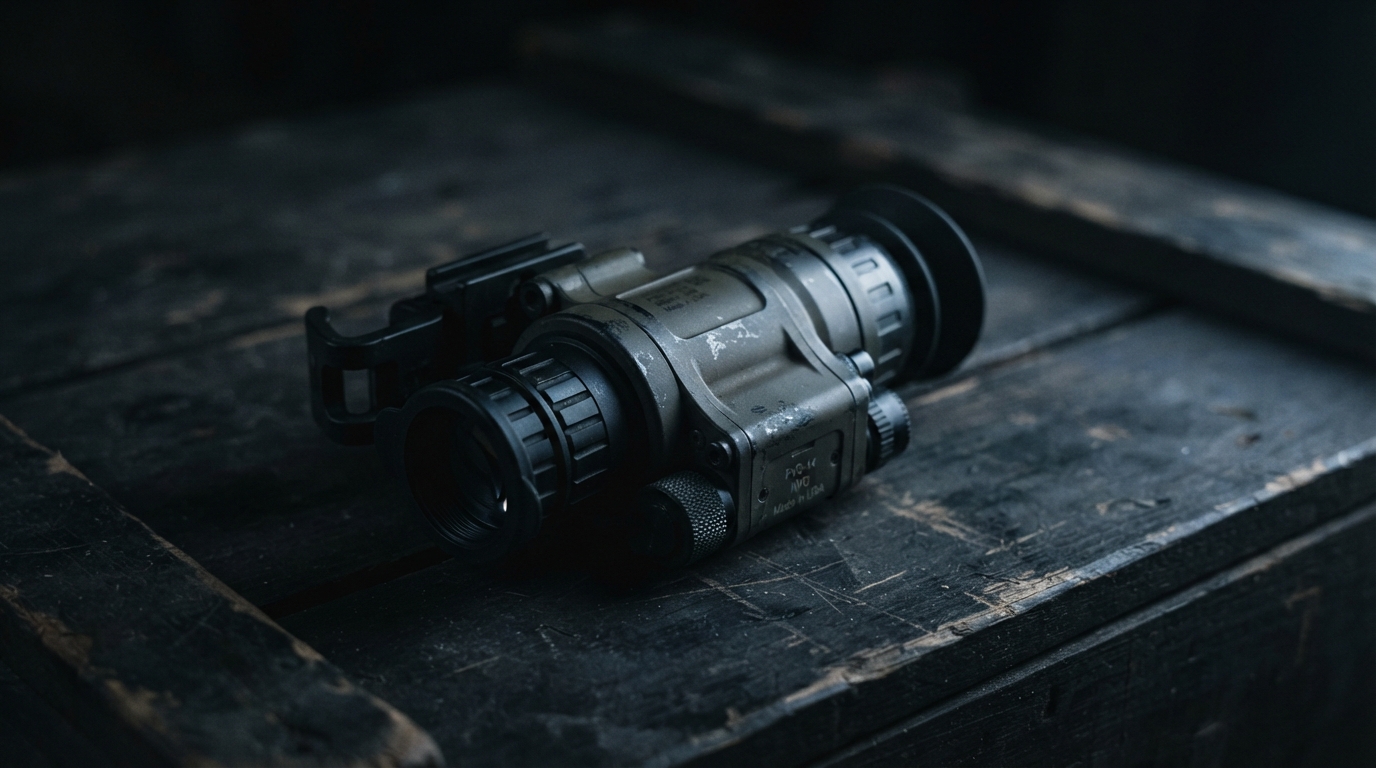
Knowledge for the prepared.
Independent gear education, low-light technology, practical preparedness, and self-reliance—built around real information, not hype.
Build capability one subject at a time.
NSG exists to make complicated equipment, preparedness decisions, and practical skills easier to understand. Start with the subject that matters to you.
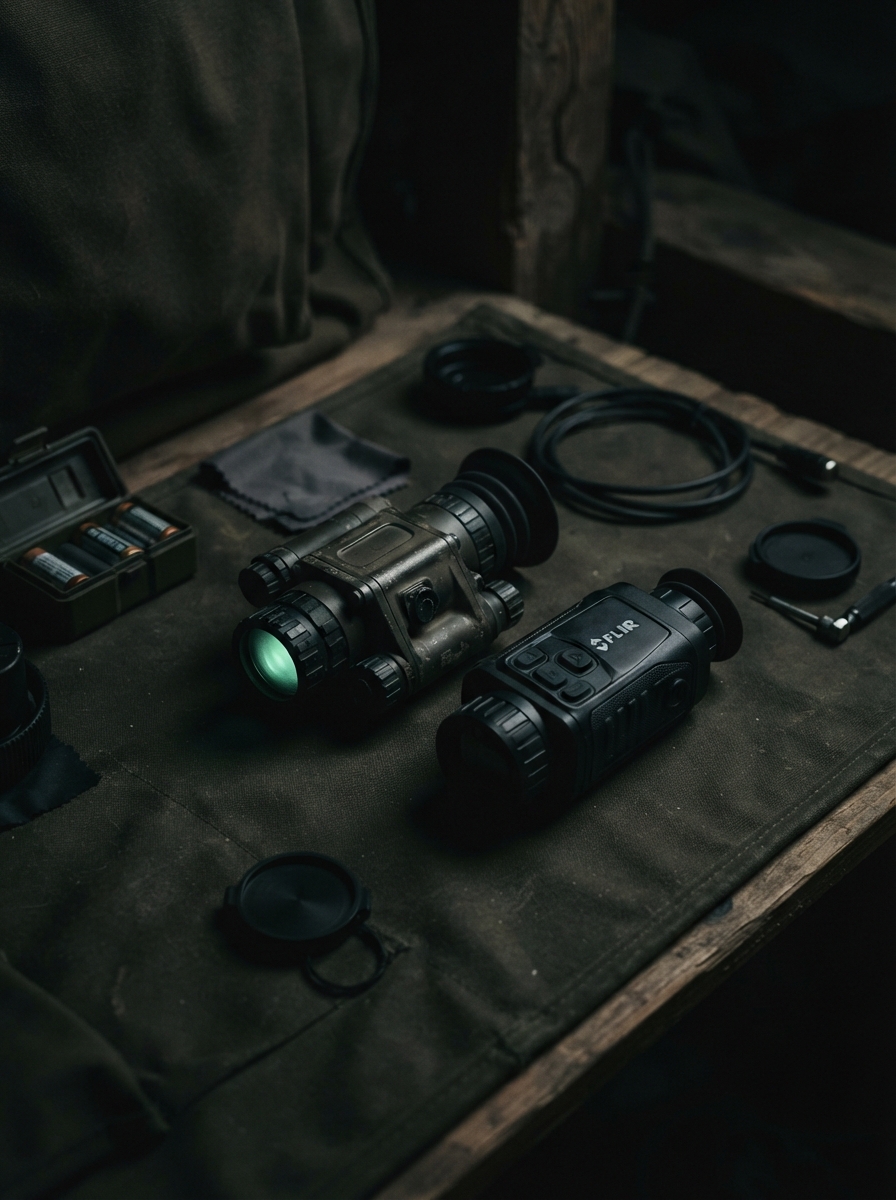
Understand what you can’t see.
Night vision, thermal imaging, illumination, optics, batteries and the technology behind them.
Explore→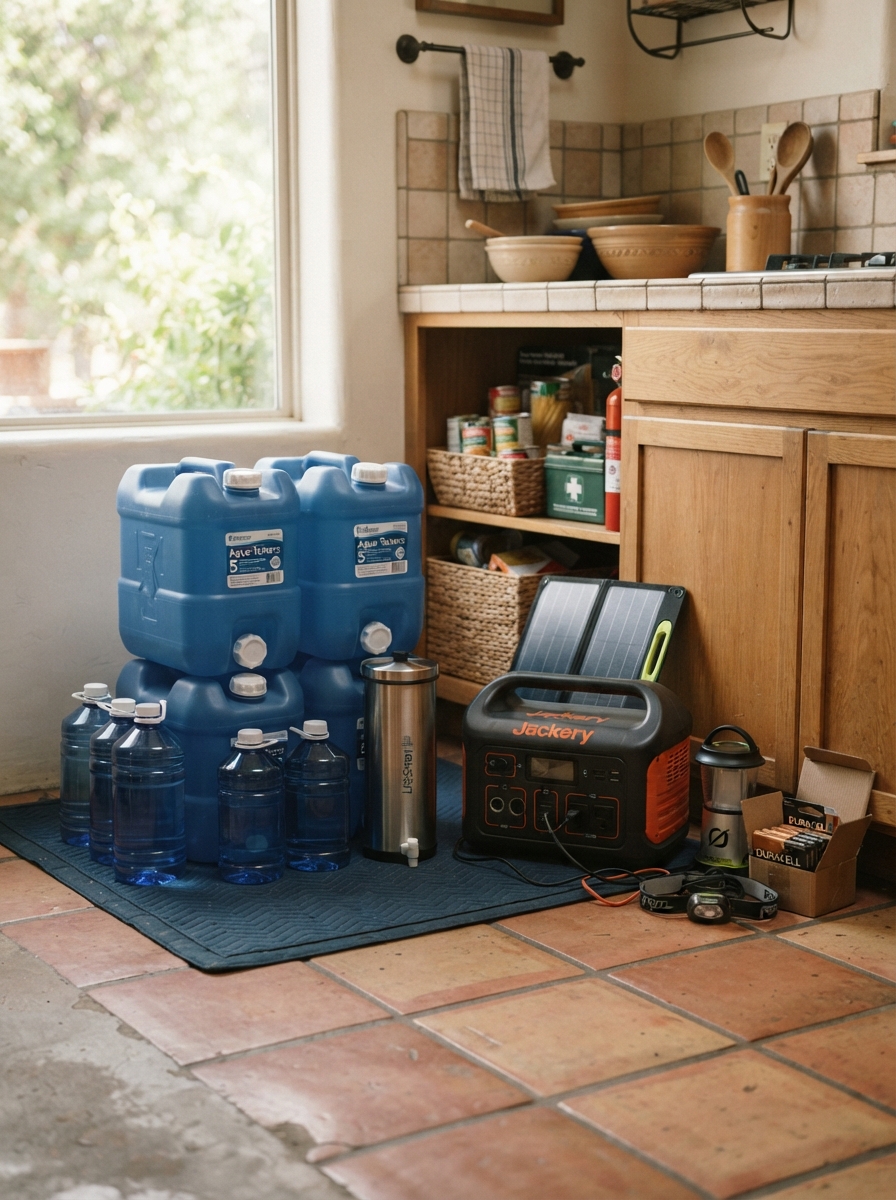
Prepare for problems that actually happen.
Water, power, severe weather, communications, vehicle readiness and practical household resilience.
Explore→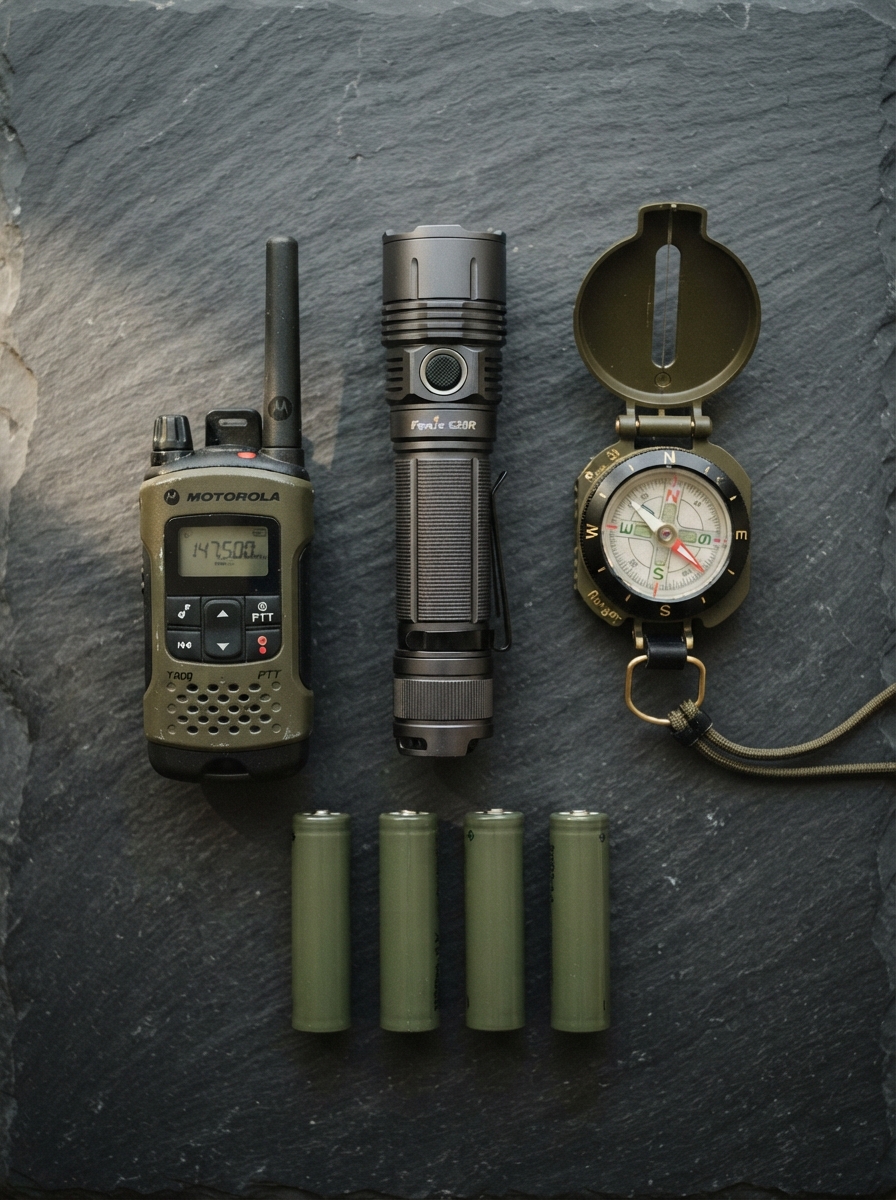
Buy equipment with fewer guesses.
Independent reviews, comparisons, buying guides and explanations of the specifications that actually matter.
Explore→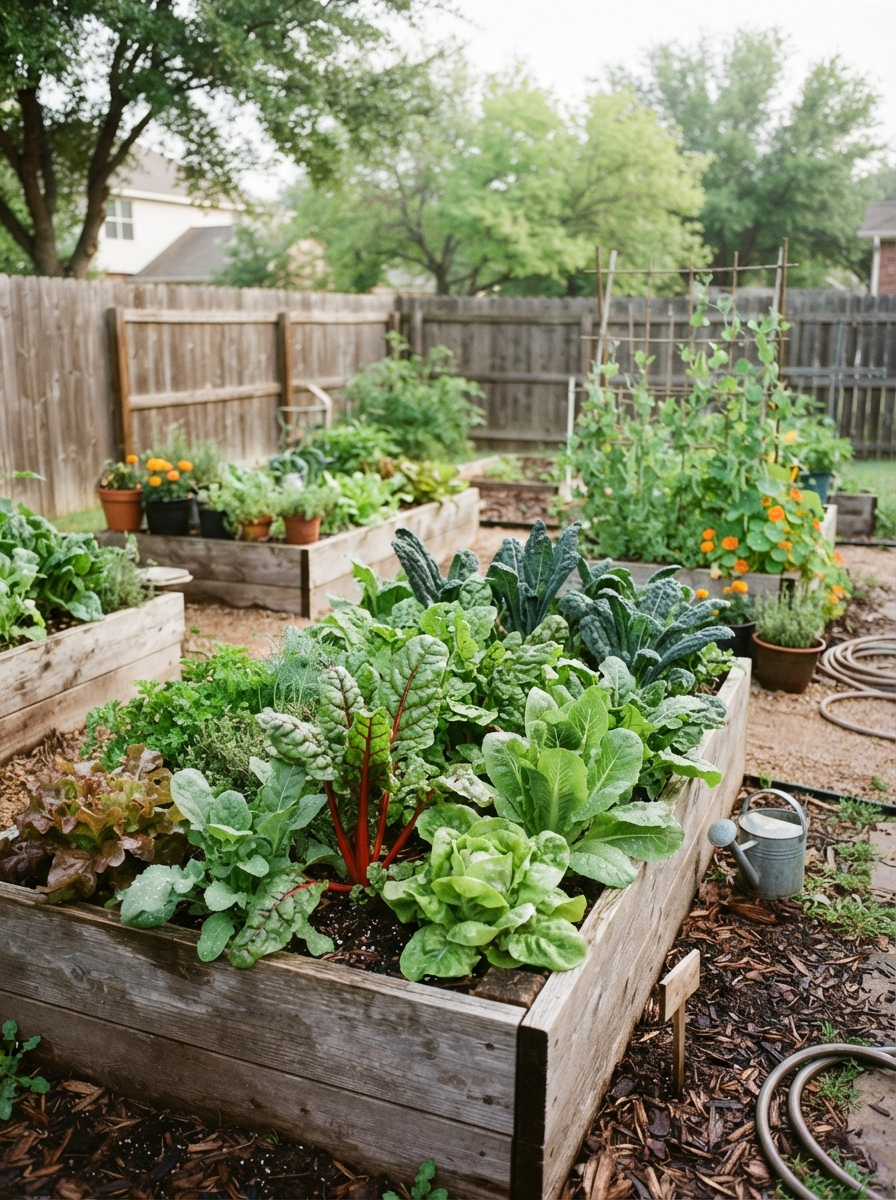
Make your household more resilient.
Gardening, food production, water systems, backup energy and practical self-sufficiency for normal properties.
Explore→Expensive technology deserves better explanations.
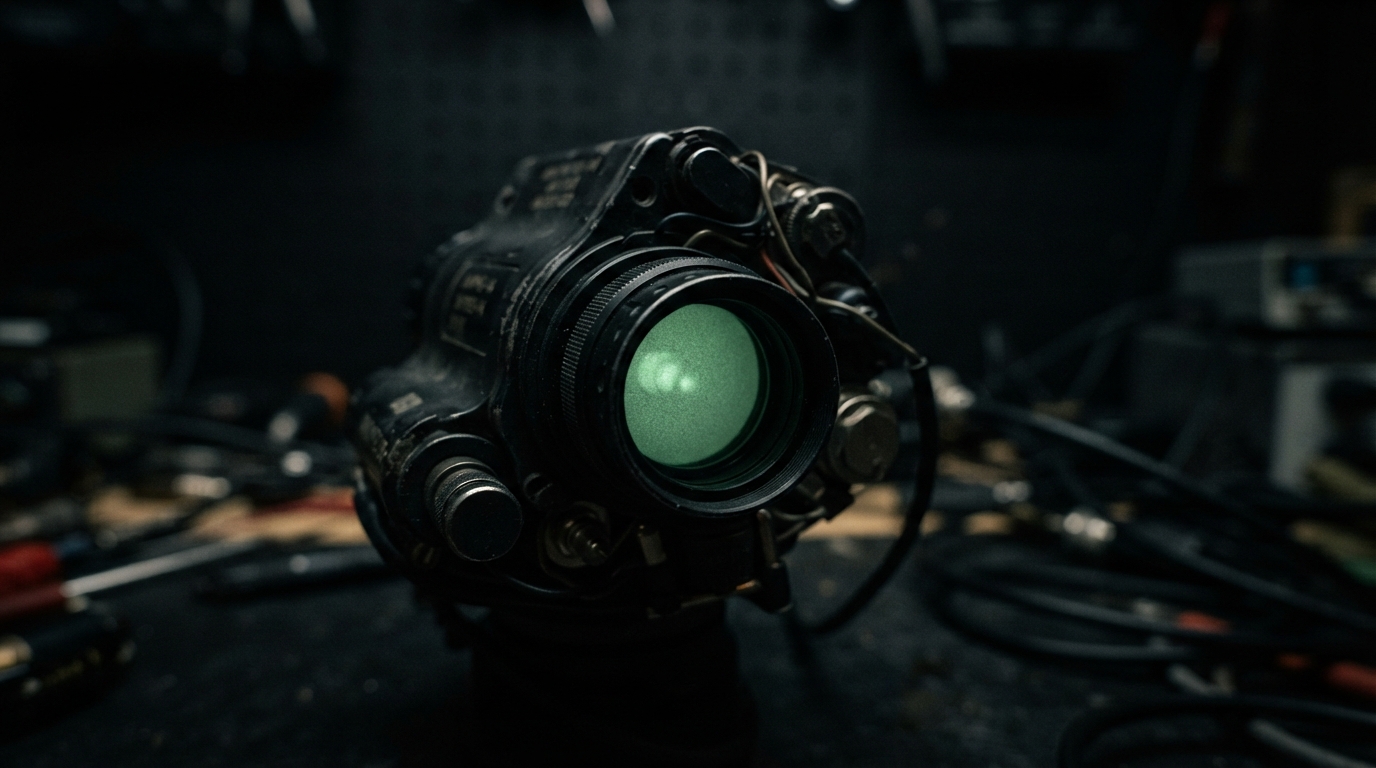
Night vision and thermal equipment can cost thousands of dollars while being described with specifications most buyers have never had properly explained. NSG breaks down the technology, the tradeoffs, and what those numbers mean in the real world.
- Resolution
- SNR
- EBI
- Halo
- Gain
- FOM
Labels only — no fabricated measurements. Explanations arrive with each guide.
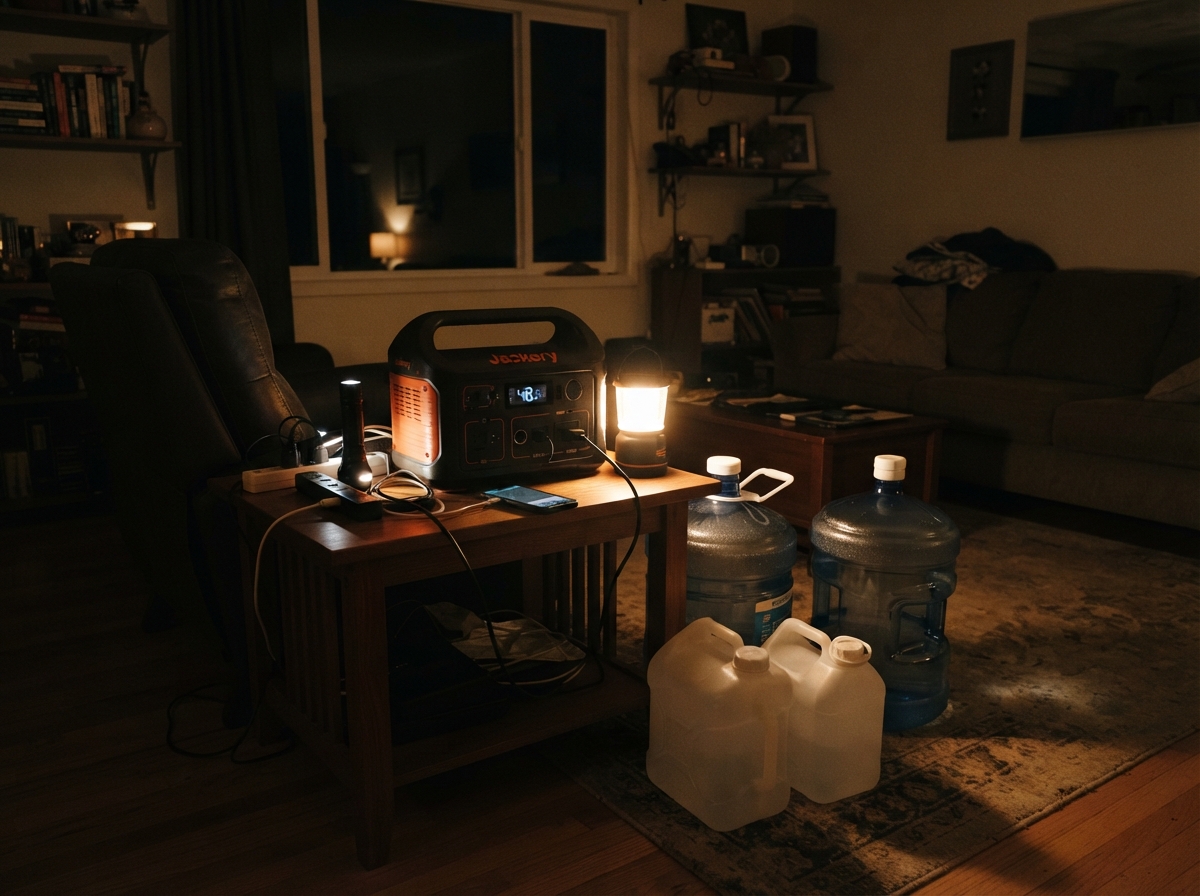
Prepare for Tuesday, not the end of the world.
Preparedness is not about predicting catastrophe. It is about making ordinary disruptions easier to manage: storms, outages, water interruptions, vehicle problems, heat, cold and the situations families actually encounter.
How much water should your household store?
Start with the number of people in your household and how long you want to be prepared. Federal emergency-preparedness guidance commonly uses one gallon of water per person per day as a baseline for drinking and sanitation.
Your actual needs may be higher depending on climate, health, pregnancy, activity level, pets, and other household needs.
Include everyone who would rely on your household water supply.
Choose how long you want your stored supply to cover.
For 4 people over 3 days at 1 gallon per person per day.
- 1-Gallon Jugs
- 12
- 5-Gallon Containers
- 3
Water is heavy. Your calculated supply is approximately 100 lb before containers.
How long should you plan for?
A three-day supply is a common minimum starting point for emergency preparedness. If you have the space and ability to store more, CDC guidance recommends trying to maintain a two-week supply.
Plan for more when necessary
Hot weather, pregnancy, illness, higher activity levels, pets, cooking requirements, and additional sanitation needs can increase the amount of water your household should have available.
Have pets?
Remember to plan a separate water supply for them as well. Future versions of this tool may include pet-specific planning.
Baseline guidance: FEMA Ready.gov and Centers for Disease Control and Prevention emergency-preparedness guidance.
Want to build a complete water plan?
Storage volume is only the beginning. Container choice, rotation, filtration, purification, storage location, and backup water sources all matter.
Read the Emergency Water Guide→Test what we can. Cite what we can’t.
Good recommendations require more than repeating a manufacturer's product page. NSG is being built around testing, research, transparent methodology and clearly separating facts from opinions.
01
Understand
Explain the technology before judging the product.
02
Test
Use repeatable real-world testing wherever practical.
03
Compare
Evaluate equipment against realistic alternatives.
04
Disclose
Tell readers when products were supplied, affiliate relationships exist, or limitations affect a conclusion.
Equipment is expensive. Research should be useful.
Our reviews are designed to answer a simple question: who should actually spend money on this?
Flashlight Specs Explained: Lumens, Candela and Runtime
Lumens sell flashlights. Candela and runtime explain why two lights with the same number behave completely differently.
How to Choose a Handheld Radio
Bands, power, licensing and usability — a framework for picking a radio for your actual use case.
Water Filters vs. Purifiers
The distinction that matters when you're choosing equipment for travel, emergencies, or backcountry use.
How to Read Gear Specifications
Every specification should answer a question. A framework for separating useful measurements from marketing noise.
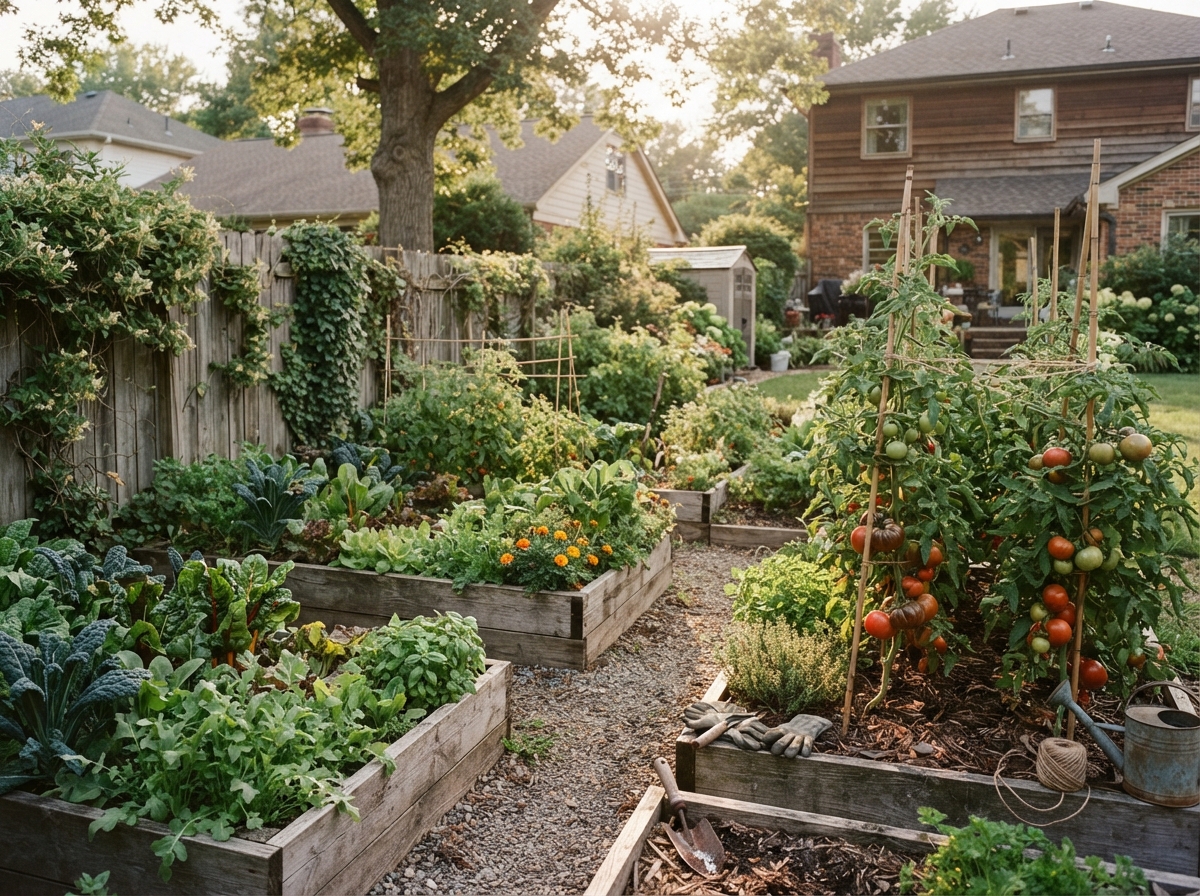
You do not need 100 acres to become more self-sufficient.
A backyard, suburban lot or small property can still produce food, store water, reduce dependence on fragile systems and make a household significantly more resilient. The key is knowing what produces meaningful results.
Useful information. Occasionally delivered.
New guides, product-testing notes, preparedness resources, equipment worth knowing about, and the occasional deal. No daily noise.
Support the work. Wear the mark.
NSG apparel, hats and equipment built around the brand behind the research.
Become harder to surprise.
Better equipment helps. Better information helps more.